


Title companies ensure a smooth real estate transaction by conducting title searches, preparing reports, issuing title insurance, acting as escrow agents, facilitating closings, filing legal documents, reviewing surveys, resolving title issues, and providing settlement services. This article explores the key duties of the title company in real estate transactions.
Key Takeaways
- The title company conducts thorough title searches to confirm property ownership and uncover potential issues like liens or disputes.
- They prepare preliminary title reports to provide transparency in real estate transactions, outlining the property’s title status and conditions for closing.
- The title company also act as escrow agents and facilitate the closing process, ensuring all legal documents are recorded and ownership rights are protected.
Conducting a Thorough Title Search

Conducting a thorough title search is a key responsibility of a title company. This process involves examining and reviewing public records to confirm who is the property owner and identify any claims against the property. Imagine discovering after your home purchase that there’s a lien on the property or an unresolved boundary dispute – a nightmare, right? That’s where a title search comes in, ensuring that such issues are uncovered early on.
A complete title search is necessary because real estate transactions hinge on having a clear title. Title companies delve into public records to uncover defects like liens or errors that could impede ownership transfer. They verify property ownership and identify potential claims on behalf of buyers or lenders before issuing title insurance. Typically, this process takes about 10 to 14 days, depending on the property’s age.
A title company ultimately ensures the property’s title is free of encumbrances, bringing peace of mind to all parties involved. A thorough title search protects your investment and helps you avoid unexpected legal battles, whether you’re buying or selling real estate.
Oftentimes, the title company will issue title insurance policies as an independent agent on behalf of a title insurance company.
Preparing the Preliminary Title Report
After completing the title search, the title company prepares the preliminary title report. This report notifies all interested parties about the status and condition of the property’s title and includes the true owner of the property. Generated early in the escrow process, the title report outlines the conditions necessary for issuing a title insurance policy upon closing.
Compiled in a title commitment format, the report details the title status and any conditions that must be met before closing. This report acts as a roadmap, guiding buyers, sellers, and lenders through the necessary steps to ensure a clear and marketable title.
Responsibility for ordering the preliminary report typically falls upon the seller once escrow is initiated. This document provides transparency and sets the stage for a smooth transaction by highlighting potential issues that need to be addressed before closing and is then handled by the escrow officer.
Issuing Title Insurance Policies

Title insurance is vital in real estate transactions, and the title company plays a pivotal role in issuing policies. There are two main types of title insurance: lender’s title insurance and owner’s title insurance. A title insurance company provides these policies, with lender’s title insurance protecting the mortgage lender’s interest, while owner’s title insurance safeguards the homeowner against ownership claims that could cause financial losses.
Acting as agents for title insurance companies, the title company issues title insurance policies on behalf of the insurance company. This title policy involves a one-time premium paid at the closing of escrow, typically averaging around $1,000 in title insurance costs. The peace of mind that comes from knowing your ownership rights are protected is priceless, especially given the potential financial losses from unresolved title issues.
Certain conditions must be met before issuing a title insurance policy to ensure the title is clear. This thorough vetting process by the title company ensures that both lenders and homeowners are protected from any future claims or disputes over property ownership.
Acting as the Escrow Agent
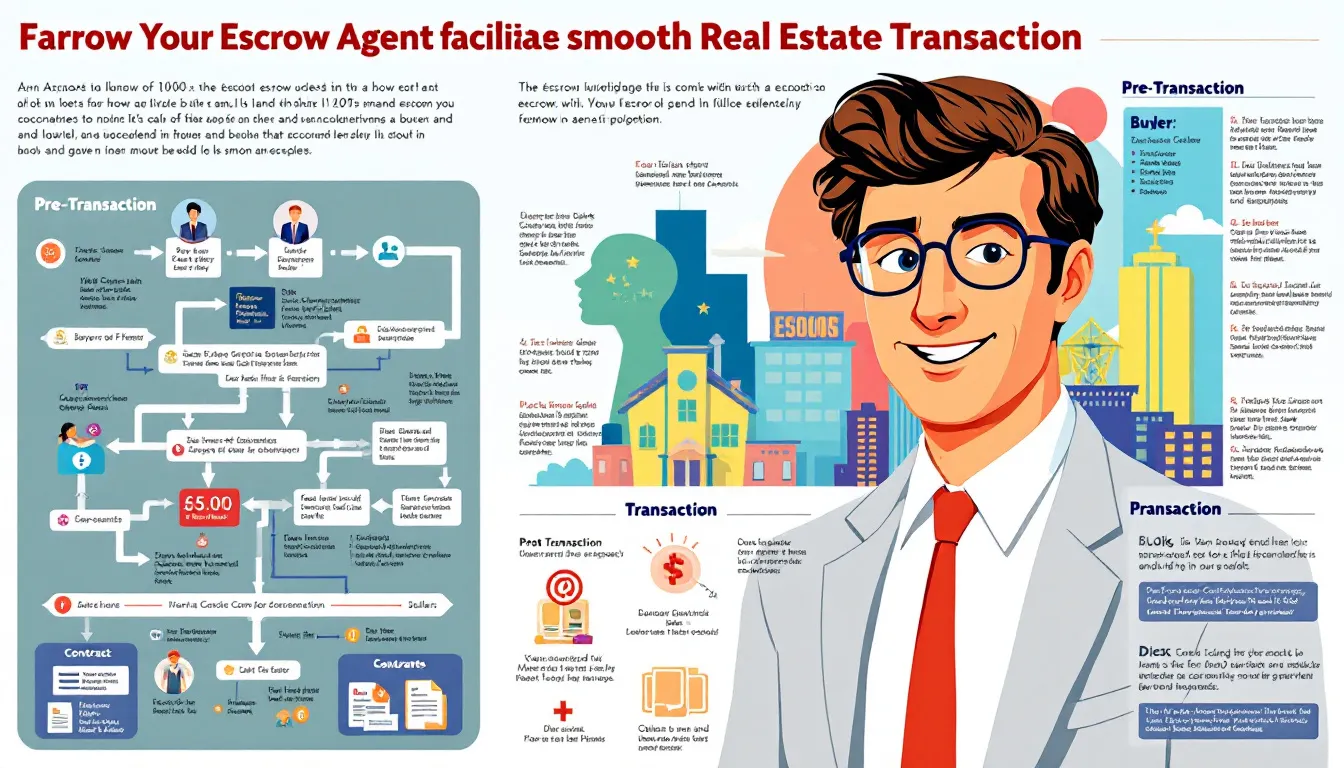
Title companies often act as escrow agents during real estate transactions. As escrow agents, they hold money or documents on behalf of the transaction appropriate parties to ensure a smooth and secure process. The escrow officer, who manages the earnest deposit until the transaction is finalized, is a key player in this process.
Title companies hold the escrow deposit and ensure all contracts, signed deed and loan documents are signed, notarized, and comply with legal requirements. They track the closing timeline to avoid delays and hold funds and documents according to the agreed instructions of the buyer and seller.
Upon closing, the title company releases the money and signed deed according to pre-established instructions, ensuring all parties are satisfied and the real estate transaction is completed smoothly. This neutral third-party role is crucial for maintaining trust and transparency throughout the real estate deal.
Facilitating the Closing Process
The closing process is where all the hard work culminates, and the title company plays an indispensable role in this final phase. They prepare necessary documents such as the Closing Disclosure and ensure all payoff figures are accurate. This meticulous preparation helps prevent any last-minute surprises that could derail the transaction and coordinates with any mortgage lenders involved in the subject property.
Title companies gather signatures on all closing documents to ensure the home buying process is executed correctly. They also receive and distribute payments related to the transaction to home sellers along with the mortgage companies, with a title company acting as the closing agent to ensure funds are appropriately allocated. Title company acts are essential in this process.
After the parties sign, the title company records the necessary documents with the county land recorder’s office and issues the title insurance policy. This final step ensures the property transfer is legally documented and the new owner’s rights are protected.

Recording and Filing Legal Documents
After closing, the title company records and files legal documents. This includes recording the deed and mortgage in the appropriate county records. Accurate recording ensures the new ownership is legally recognized and the property’s history is maintained.
Besides deeds and mortgages, the title company may also record other relevant documents such as lien releases or amendments. These documents are necessary to clear encumbrances and ensure the property’s title is free of issues.
Title companies ensure all legal documents are accurately recorded to protect ownership rights and prevent potential claims against the title. Prompt recording maintains the integrity of the transaction and protects the interests of all parties involved.
Reviewing Property Surveys

Title companies also obtain and review property surveys. These surveys disclose easements or encroachments that could affect the property’s title. Examining the property’s boundaries and physical features helps the title company identify potential issues not apparent from public records.
Title companies review property surveys to identify and address issues like easements or encroachments before closing. This ensures the property’s title is clear and the new owner is aware of any limitations or obligations associated with the property.
Resolving Title Issues
During the title search and review process, title companies often identify encumbrances such as liens and easements affecting property ownership. Common title issues include outstanding liens, public record errors, legal disputes, and clouds on title. These issues must be resolved before the transaction can proceed smoothly. In some situations, a real estate attorney may need to be involved.
Title companies work diligently to address issues found during the title search. This may involve negotiating with lien holders or paying off outstanding liens and sometimes consulting a real estate attorney. If a survey uncovers issues like easements or encroachments, the title company addresses these before closing.
Title companies also correct errors in public records, such as incorrect ownership or boundary descriptions, to ensure a marketable title. Resolving these issues provides a clear title, protecting both buyers and lenders from future legal disputes.
Providing Settlement Services
Title companies offer comprehensive settlement services as neutral third parties to facilitate smooth real estate transactions. They coordinate closely with buyers, sellers, lenders, and other parties to ensure the transaction proceeds smoothly. This coordination prevents misunderstandings and ensures all interested parties are on the same page.
Besides facilitating the sale process, the title company reviews completed surveys for inconsistencies between the legal description and the survey results. After closing, they provide electronic copies of signed documents for secure future access.

These settlement services maintain transparency and ensure a smooth, efficient transaction.
Summary
In summary, the role of a title company in a home sale and real estate transactions are multifaceted and indispensable. From conducting thorough title searches to issuing title insurance policies, acting as escrow agents, and facilitating the closing process, their responsibilities are vast and varied. Each duty they perform is crucial in ensuring a smooth, secure, and legally compliant transaction.
Choosing a reliable title company is essential for anyone involved in buying or selling real estate. Their expertise and attention to detail can make the difference between a seamless transaction and one fraught with complications.
Trusting a title company to handle these critical tasks allows you to focus on the excitement of your new property, knowing that the legalities are in safe hands.
Frequently Asked Questions
What is the purpose of the title search and review conducted by the title company?
The title search and review help you understand the status and condition of a property’s title, giving you essential info through a preliminary title report or title insurance commitment. This process ensures you’re aware of any potential issues before moving forward with a property transaction.
What role do title companies play in closing real estate transactions?
Title companies are crucial in closing real estate transactions, as they handle the signing of documents and manage the payment exchanges. They help ensure everything goes smoothly for both buyers and sellers.
How does the title company function as escrow officers?
Title companies act as escrow officers by holding onto documents and funds until all parties in a transaction meet their agreed-upon conditions, ensuring a secure and organized closing process. They only release the deed and money according to the specific written instructions provided.
What is the relationship between the title company and title insurance?
Title companies are the ones that actually issue title insurance policies, acting as agents for title insurance companies and earning a commission in the process. So when you get title insurance, it’s thanks to the title company facilitating that coverage for you.
What documents does a title company prepare during a real estate purchase and sale?
A title company typically prepares the Title Abstract and Title Commitment during a real estate transaction. These documents ensure that the property’s title is clear and ready for transfer.